
Clean energy is like that magical potion everyone keeps talking about, but instead of making you fly or turn invisible, it’s here to save the planet and your lungs! Imagine a world where the only thing drifting through the air is the sweet scent of freshly baked cookies instead of smog—oh yes, it’s true! With clean energy sources like solar and wind, we’re not just flipping the switch on our lights; we’re flipping the script on climate change.
From harnessing the sun’s rays to dancing with the wind, clean energy is a buffet of options that not only reduces our carbon footprint but serves up a side of health benefits too. Buckle up as we explore the wonders of renewable energy and discover how it’s transforming our homes, our health, and even our relationship with Mother Earth!
Clean Energy Sources
In the brave new world of energy, clean energy sources have stepped onto the stage with a spotlight and a catchy tune. They promise not just to power our gadgets and gizmos but to keep our planet healthy and happy. As we navigate the sometimes murky waters of climate change, understanding clean energy sources is vital. They are the superheroes in our battle against carbon footprints, pollution, and unsustainable practices, ready to rescue us from the clutches of fossil fuels.
Benefits of Solar Energy
Solar energy is like the sun itself: bright, cheerful, and absolutely vital for life! Tapping into this renewable energy source not only lights up our homes but also plays a significant role in reducing our carbon footprints. When solar panels soak up sunlight, they convert it into electricity, which can power anything from toasters to entire neighborhoods without emitting harmful greenhouse gases.
To put it into perspective, consider the fact that the average American household can negate approximately 100 tons of carbon dioxide emissions over the lifespan of a solar panel system. That’s like planting over 2,000 trees! By generating electricity from sunlight, we also reduce our dependence on fossil fuels, which are like the clingy exes of energy sources—difficult to break away from but detrimental in the long run.
Main Types of Renewable Energy Sources
Understanding the various renewable energy sources is akin to choosing your favorite ice cream flavor—it can be a tough decision with so many delightful options! Each source has its own unique benefits and efficiencies, which can be compared in a way that helps us appreciate their individual roles in crafting a sustainable energy future. Here’s a quick breakdown of the main types of renewable energy sources and their efficiency:
| Energy Source | Efficiency Rate | Carbon Emissions |
|---|---|---|
| Solar Energy | 15-20% | None during operation |
| Wind Energy | 35-45% | None during operation |
| Hydroelectric Energy | 35-45% | Low, mainly from construction |
| Geothermal Energy | 10-20% | Very Low |
| Biomass Energy | 20-50% | Some emissions, but can be carbon neutral |
Each of these energy sources shines in its own right, contributing to a greener world. Wind and hydroelectric energy are quite efficient, while solar energy, though slightly less efficient, is incredibly versatile and can be installed almost anywhere—from rooftops to solar farms.
Role of Wind Energy
Wind energy is like that friend who always encourages you to take the high road—it’s a refreshing, clean alternative to traditional energy sources that helps steer us towards sustainability. Harnessing the power of wind through turbines, we can generate massive amounts of electricity while leaving no trace of harmful emissions behind. On average, a single wind turbine can power around 500 homes, which is like having a giant hamster wheel that never stops turning! The efficiency of wind energy varies based on location and wind conditions but typically ranges between 35% and 45%.
This means that on optimal days, wind turbines are nearly half as efficient as they can be, making them a reliable source of energy.Moreover, as countries invest in wind farms, the cost of wind energy has plummeted—creating a win-win scenario for both energy producers and consumers. With its potential to significantly reduce reliance on fossil fuels, wind energy is not just a breeze but a gust that can propel us into a cleaner, greener future.
Clean Energy and Health
Clean energy isn’t just about saving the planet; it’s also about saving our lungs! As we make the shift to renewable energy sources, we inadvertently blow away the smog that clouds our cities and our health. This transition leads to cleaner air, which is essential for a thriving population. Let’s explore how this shift impacts our health and well-being in ways that might just tickle your funny bone while enlightening your mind.
Reduction of Air Pollution and Respiratory Health
Transitioning to clean energy sources significantly reduces air pollution, which has a direct correlation with respiratory health. It’s well-known that conventional energy sources, like coal and oil, release a cornucopia of pollutants that can lead to respiratory conditions. Clean energy, on the other hand, is like a breath of fresh air—literally! As we harness the power of wind, solar, and hydro, we see a marked decrease in harmful emissions like sulfur dioxide and particulate matter.The benefits of cleaner air are substantial:
-
Asthma rates decline as fewer pollutants irritate the airways, allowing kids to chase butterflies instead of inhalers.
-
Chronic obstructive pulmonary disease (COPD) incidences decrease, which means fewer sad faces at the doctor’s office.
-
Overall respiratory health improves, adding years to the lives of those who might have gone the way of the dodo under smoggy skies.
Connection Between Clean Energy Initiatives and Public Health Outcomes
Clean energy initiatives are not just a trendy slogan—they lead to tangible improvements in public health outcomes. Imagine a world where hospitals are less crowded with patients suffering from pollution-related illnesses. Cleaner energy means fewer emissions, translating to lower healthcare costs and healthier communities.The connection is remarkable:
- Studies show that regions adopting clean energy technologies experience a significant drop in hospital admissions related to respiratory diseases.
- Public health campaigns linked to clean energy awareness lead to better health education and lifestyle choices, as people become more conscious of their environment.
- Cleaner air contributes to improved mental health, reducing anxiety and stress levels, which is crucial in today’s fast-paced world.
Impact on Health Issues: Diabetes and Obesity
The benefits of clean energy extend beyond respiratory health, also influencing rates of chronic health issues like diabetes and obesity. As we pave the way for a greener future, we’re also promoting healthier lifestyles. Cleaner environments encourage outdoor activities, leading to a more active population and, consequently, combatting issues like obesity.Consider these points:
- Improved air quality promotes physical activity, as people are more inclined to jog or bike without fear of inhaling a lungful of smog while dodging traffic.
- Access to cleaner energy often correlates with better nutritional options and food systems, reducing food deserts and improving overall diets.
- Communities that invest in clean energy frequently see a reduction in stress and related health issues, fostering a cycle of well-being that benefits all.
Environmental Issues Related to Clean Energy
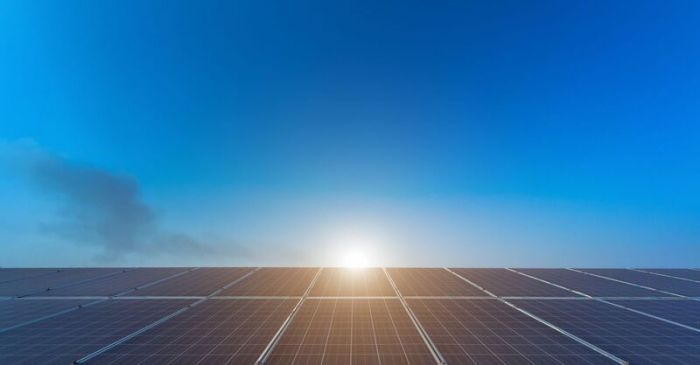
The world of energy production has often felt like a game of dodgeball, with renewable sources trying to avoid the toxic hits from fossil fuels. As the climate crisis looms over us like a not-so-friendly rain cloud, it’s crucial to examine the battle between these energy titans. This section dives into how fossil fuels have been the party crashers of our planet, leaving behind eco-footprints that are more than just embarrassing.The environmental impacts of fossil fuel consumption are nothing short of catastrophic.
When we burn oil, coal, or natural gas, we’re not just firing up our toasters and TVs; we’re releasing a cocktail of greenhouse gases that causes global warming, air pollution, and ocean acidification. In contrast, renewable energy sources like wind, solar, and hydro are like the superheroes of the energy world, offering cleaner alternatives that mitigate environmental damage and promote sustainability.
However, it’s important to acknowledge that even renewable energy sources have some environmental footprints, though they’re significantly smaller.
Comparison of Ecological Footprints of Energy Production Methods
Understanding the ecological impact of various energy sources is akin to a cooking show: you need to know what ingredients you’re working with before you whip up a delicious meal—or in this case, a sustainable future. Below is a table comparing the ecological footprints of different energy production methods.
| Energy Source | Greenhouse Gas Emissions (g CO2eq/kWh) | Water Usage (liters/kWh) | Land Use (m²/kWh) | Air Pollution (Health Impact) |
|---|---|---|---|---|
| Coal | 820 | 1.87 | 2.0 | High |
| Natural Gas | 450 | 1.35 | 0.9 | Moderate |
| Oil | 670 | 0.78 | 1.5 | High |
| Solar | 45 | 0.06 | 0.4 | Low |
| Wind | 12 | 0.02 | 0.3 | Very Low |
| Hydro | 30 | 0.02 | 0.6 | Low |
The table above highlights the stark contrast between fossil fuels and renewables, showcasing how clean energy sources reduce greenhouse gas emissions, water usage, and land use while minimizing health impacts due to air pollution.
The significance of clean energy in addressing climate change cannot be overstated; it’s like swapping your gas-guzzler for a shiny new electric ride—better for you and the planet!
As we engage in a global effort to tackle climate change, transitioning to clean energy is essential for reducing the associated health risks linked to pollution, including respiratory diseases, heart conditions, and other health disparities that plague communities relying heavily on fossil fuels. The more we shift towards clean energy, the clearer our skies—and our futures—will be.
End of Discussion
In conclusion, embracing clean energy isn’t just a trendy lifestyle choice; it’s a ticket to a healthier, happier planet! As we wrap up our whirlwind tour through the world of renewables, remember that every little bit of clean energy we harness is like a superhero cape for our environment. So, let’s put on our eco-friendly capes and fly into a sustainable future where both our health and the Earth can thrive!
User Queries
What is clean energy?
Clean energy refers to energy sources that produce little to no pollution, such as solar, wind, and hydro power.
How does clean energy benefit public health?
By reducing air pollution, clean energy sources lower the incidence of respiratory issues and other health problems.
Is clean energy more expensive than fossil fuels?
While initial investments can be higher, clean energy often leads to lower operational costs and savings over time.
Can clean energy completely replace fossil fuels?
While it’s feasible to significantly reduce fossil fuel use with clean energy, a complete transition will require time and innovation.
What are the main types of renewable energy?
The main types include solar, wind, hydroelectric, geothermal, and biomass energy sources.


