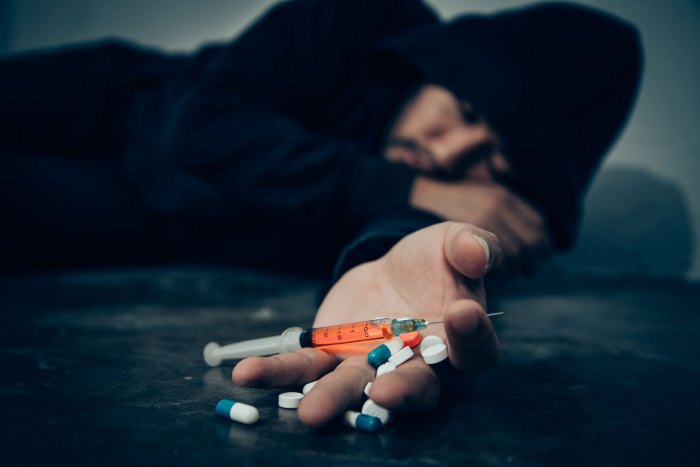
Effects of drug abuse plunge us into a wild narrative where reality takes a backseat and chaos drives the bus. Strap in, because this isn’t just a trip through the dark alleys of addiction; it’s a journey showcasing the dizzying highs and perilous lows that substances bring to our physical and mental health.
From the way our bodies betray us with chronic ailments to the emotional rollercoaster caused by a cocktail of chemicals, drug abuse creates a domino effect that spills over into our relationships and society as a whole. It’s the ultimate plot twist in the story of life, proving that every choice we make comes with a hefty price tag!
Effects of Drug Abuse on Physical Health

Drug abuse is not just a wild ride through colorful hallucinations and questionable decisions; it can also serve as a one-way ticket to a world of physiological chaos. The body doesn’t take kindly to these substances, and the fallout can be as dramatic as a soap opera cliffhanger. From heart palpitations to a compromised immune system, let’s delve into how drug abuse plays the role of a villain in our physical health saga.
Physiological Changes in the Body Due to Drug Abuse
Drug abuse triggers a series of physiological changes that can feel like a badly scripted action movie. The body’s natural balance is thrown into disarray, leading to a host of issues. For instance:
Cardiovascular Changes
Stimulants like cocaine can elevate heart rates to the point where your heart feels like it’s auditioning for a marathon. The risk of heart arrhythmias and sudden cardiac arrest looms large.
Respiratory Distress
Smoking drugs can lead to lung damage that could make even the toughest lung say, “I give up!” Chronic obstructive pulmonary disease (COPD) can become as unwelcome as an uninvited guest at a wedding.
Neurological Impact
Many drugs alter brain chemistry, leading to memory issues and impaired cognitive function, making it feel like you’re running on dial-up internet in a fiber-optic world.
Relationship Between Drug Abuse and Chronic Diseases
The connection between drug abuse and chronic diseases is like a bad relationship that just won’t end. It’s a toxic pairing that can lead to significant health concerns. Research shows that individuals who abuse substances are at a higher risk of developing chronic conditions such as:
Diabetes
Substance abuse can disrupt insulin regulation and metabolism. For example, heavy alcohol consumption can lead to alcoholic ketoacidosis, a serious complication that can arise in diabetic patients.
Heart Conditions
The stress placed on the heart by stimulants can lead to long-term damage. For instance, methamphetamine use has been linked to an increased risk of cardiomyopathy, a condition where the heart becomes enlarged and weakened.
Liver Disease
Alcohol abuse can lead to fatty liver disease, hepatitis, and cirrhosis, making the liver feel like it’s been through a meat grinder.
Impact on the Immune System and Susceptibility to Infections
Drug abuse is a relentless ninja that sneaks in and wreaks havoc on the immune system. A compromised immune system means your body’s defense against infections is weaker than a limp handshake. Consider the following points:
Increased Vulnerability
Individuals who abuse drugs are more susceptible to infections such as pneumonia, HIV, and hepatitis. Their immune response is akin to a security guard at a rock concert who’s taken a nap.
Inflammation and Autoimmune Conditions
Some drugs can trigger inflammation, which may lead to autoimmune disorders. This happens when the body mistakenly attacks its own tissues, creating a scenario where the immune system is fighting against itself.
Chronic Infections
The lack of a robust immune response can turn minor infections into chronic issues. For example, someone abusing opioids may find themselves more prone to lung infections, which are difficult to shake off.In summary, the physiological changes, the link to chronic diseases, and the impact on the immune system illustrate that drug abuse is a tumultuous journey that leaves an indelible mark on physical health.
Effects of Drug Abuse on Mental Health
Drug abuse is not just a ticket to a wild party; it’s more like a one-way trip to Clown Town where the clowns are your fears, anxieties, and mood swings. When substances take center stage in your life, the mental health effects are not just side notes in this tragic play—they’re the main act. Understanding how drug abuse impacts mental health is crucial for anyone navigating this chaotic circus.The relationship between drug abuse and mental health disorders like depression and anxiety is like a poorly scripted drama.
Substance abuse often leads to the onset or exacerbation of these conditions, creating a vicious cycle where the individual may use drugs to escape their feelings but ends up trapped in a deeper psychological labyrinth. Depression can become a frequent visitor, sometimes making you feel as though you’re living in a dark comedy without the laughs. Anxiety issues can also skyrocket as substances mess with the brain’s delicate chemistry, transforming everyday stress into a full-blown existential crisis.
Connection Between Drug Abuse and Eating Disorders
The intricate dance between drug abuse and eating disorders is another exhibit in this carnival of chaos. Individuals struggling with substance use may develop unhealthy relationships with food, leading to either binge eating or restrictive behaviors as they attempt to cope with their emotional pain. Here are some insights into this connection:
Self-image Issues
Many who abuse drugs often grapple with self-esteem and body image problems. This can pave the way for conditions like anorexia or bulimia, as the desire for control takes center stage.
Dopamine Drama
Both eating and substance use release dopamine—the “feel-good” neurotransmitter. When one becomes a compulsive behavior, the other often follows suit, creating an unbreakable bond.
Coping Mechanisms
For some, food becomes a substitute for the highs once found in substances, leading to a confusing cycle of addiction where food and drugs become their coping mechanisms.
“The connection between drug abuse and eating disorders paints a picture of emotional distress where control becomes the elusive prize.”
The emotional and psychological effects resulting from prolonged substance abuse can feel like a never-ending rollercoaster ride, filled with unexpected drops and turns. This emotional turmoil can manifest in various ways:
Mood Swings
The thrill of highs followed by devastating lows can leave one feeling like a human yo-yo, swinging from euphoria to despair without warning.
Cognitive Decline
Long-term substance abuse can impair cognitive functions, making it challenging to focus or make decisions. Think of it as trying to navigate through a fog while riding a unicycle.
Isolation
As relationships with family and friends deteriorate, many individuals may find themselves on a lonely island, consumed by their addiction and the mental struggles that accompany it.In summary, the effects of drug abuse on mental health are as complex as a multi-layered cake filled with both sweet and bitter flavors. The intricate links between substance use and mental health disorders underline the need for awareness and understanding, as this is a journey that is often best approached with support and care.
Societal and Environmental Impacts of Drug Abuse
Drug abuse doesn’t just impact the individual; it sends shockwaves through families, communities, and even the environment. The ripple effects can be as tangled as a pair of earbuds you find at the bottom of your bag, leading to both social strain and ecological chaos. Whether it’s the familial heartbreak or the environmental degradation due to illicit drug production, the consequences are far-reaching and often underestimated.
Let’s dive into this complicated web of societal and environmental impacts with a wink and a nod, because who said we can’t learn while having a chuckle?
Family Dynamics and Social Relationships
When someone is caught in the throes of drug abuse, the family is often the first to feel the effects. The dynamics can shift faster than a magician’s assistant escaping a water tank. Trust erodes, communication dwindles, and the emotional toll can lead to significant strain. Families may experience a host of issues, including:
- Breakdown of Trust: Once the foundation of family ties, trust crumbles like stale bread leading to suspicions and constant conflict.
- Increased Conflict: Arguments become as common as the morning coffee, often escalating to yelling matches, or worse.
- Financial Strain: Money that could go toward family vacations often disappears faster than a magic trick due to drug purchases.
- Impact on Children: Kids may face neglect or abuse, leading to their own long-term psychological issues, and that’s no laughing matter.
“The family is the first place to feel the pain of drug abuse, and it often takes years to rebuild what’s broken.”
Environmental Issues Related to Drug Production and Distribution
The environmental impacts of drug abuse stretch beyond shattered lives; they also include the ecosystems battered by drug production. For instance, the cultivation of narcotics can lead to deforestation and pollution, creating a scenario where Mother Nature might just throw her hands up in despair. Key environmental issues include:
- Deforestation: Land cleared for drug crops strips away habitat just like a kid taking apart a Lego set, leaving a barren wasteland.
- Pesticide Pollution: The chemicals used in agricultural production contaminate soil and water, as if the planet had a bad hangover.
- Water Use: Many drug crops require exorbitant amounts of water, draining local resources and leaving communities parched.
“When drugs take root, the environment suffers, and the consequences are felt for generations.”
Economic Effects on Communities and Healthcare Systems
The economic repercussions of drug abuse extend to communities and healthcare systems, making it a wallet-draining endeavor for society. This isn’t just about how much you spend on that overpriced avocado toast; we’re talking about serious financial implications. Some of the economic impacts include:
- Healthcare Costs: Emergency room visits and treatment for drug-related issues can clog the healthcare system, costing billions annually.
- Loss of Productivity: Businesses suffer when employees struggle with addiction, leading to absenteeism and decreased output – and let’s face it, nobody wants to pick up the slack.
- Increased Crime Rates: Drug abuse often correlates with crime, leading to higher policing and judicial costs, which means more taxpayer dollars down the drain.
- Community Decline: As drug abuse spreads, neighborhoods suffer; property values drop, and local businesses close, turning once-thriving areas into ghost towns.
“Addiction doesn’t just cost money; it costs communities their vitality and health.”
Outcome Summary
In conclusion, the effects of drug abuse are far-reaching, echoing through our bodies, minds, and communities like an off-key symphony. As we’ve seen, this isn’t just about personal struggle; it’s about how one person’s choices can create ripples that affect many. So, let’s remember to choose wisely, because life is the only trip we can’t reboot!
FAQ Compilation
What are the immediate physical effects of drug abuse?
Immediate effects can include increased heart rate, altered judgment, and impaired motor skills, often making one feel invincible until reality crashes in.
Can drug abuse lead to long-term health issues?
Absolutely! Prolonged abuse can result in chronic diseases, neurological damage, and a weakened immune system, turning the body into a game of health roulette.
How does drug abuse affect relationships?
It wreaks havoc! Trust erodes, conflict escalates, and communication dwindles, making family dinners more like awkward standoffs.
Are there economic impacts of drug abuse?
Yes! Communities face increased healthcare costs, lost productivity, and a strain on social services, like trying to fit a square peg into a round hole.
What resources are available for those struggling with drug abuse?
There are numerous support groups, hotlines, and treatment centers ready to help, like a lifebuoy thrown into turbulent waters.


