Welcome aboard the emotional rollercoaster known as trauma recovery, where EFT for trauma is your ticket to a hilariously liberating ride! Imagine tapping away your worries like you’re swatting flies at a summer picnic—who knew healing could be this fun? With its mix of psychological wizardry and some good old-fashioned tapping, this technique promises not just to soothe those pesky emotional wounds but also to make you chuckle along the way.
Let’s dive into the fascinating world of Emotional Freedom Technique, where we’ll explore how it connects the dots between trauma and mental health, and why it might just become your new best friend. From understanding the principles behind EFT to hearing real stories of triumph, we’re all set to uncover how this innovative approach can lighten your emotional load and kick trauma to the curb.
Understanding EFT for Trauma
Emotional Freedom Technique (EFT), often humorously dubbed “tapping therapy,” is a holistic approach designed to alleviate emotional distress by tapping on specific points on the body. It’s like giving your emotions a gentle nudge to wake up and start behaving! When it comes to trauma recovery, EFT offers a pathway to release the heavy baggage that trauma often brings, and it does so with a sprinkle of humor and a whole lot of heart.EFT operates on the premise that emotional pain is linked to disruptions in the body’s energy system.
By tapping on meridian points while focusing on the trauma, individuals can release blockages, leading to both psychological and physiological relief. Trauma often manifests in symptoms like anxiety, depression, and physical ailments. EFT aims to address these layers, akin to peeling an onion—hopefully without the tears!
Principles and Techniques of EFT
The principles of EFT are straightforward yet profound, resembling a quirky recipe for emotional well-being. The techniques often include:
- Identifying the Issue: The first step is to pinpoint the trauma or emotional distress. Think of it as shining a flashlight on a shadowy corner of your mind.
- Rating Emotional Distress: Before you start tapping, rate your emotional pain on a scale of 0 to 10. This helps to track progress and adds a bit of competitive flair to the healing process!
- Tapping Sequence: Begin tapping on specific meridian points (like the side of the hand, eyebrow, or under the nose) while repeating a setup statement that acknowledges the problem. It’s like giving your feelings a cheeky little poke to remind them you’re in charge!
- Reassessing the Emotion: After a round of tapping, rate your emotional pain again. The goal is to see that number drop faster than a hot potato!
“The mind is like water. When it’s turbulent, it’s difficult to see. When it’s calm, everything becomes clear.” – EFT Practitioners, possibly while sipping herbal tea.
Psychological and Physiological Effects of Trauma
Trauma can leave individuals feeling like they’re carrying an invisible elephant on their shoulders, often resulting in symptoms such as heightened anxiety, depression, and chronic pain. This is where EFT swoops in like a superhero with a glittery cape! By addressing both the psychological and physiological aspects of trauma, EFT can help alleviate these burdens.The psychological effects of trauma can include:
- Anxiety: A constant state of “fight or flight” that keeps you on edge, like an over-caffeinated squirrel.
- Depression: A heavy fog that makes even the simplest tasks feel like running a marathon in flip-flops.
- Flashbacks: Uninvited memories that crash the party of your thoughts, often at the most inconvenient times.
Physiologically, trauma can lead to:
- Chronic Pain: Persistent aches and pains that feel like a bad relationship—hard to shake off and often impossible to explain.
- Fatigue: A deep-seated tiredness that makes you feel like you’ve run a triathlon in your sleep.
- Sleep Disorders: Tossing and turning like a fish out of water, making restful sleep seem like a fairy tale.
Through EFT, individuals can experience a remarkable reduction in the intensity of these symptoms, paving the way for a brighter, more balanced life.
Testimonials and Case Studies
The effectiveness of EFT in treating trauma is often illustrated through heartfelt testimonials. Many users report feeling liberated from the clutches of their traumatic experiences, like a bird finally escaping from a cage.Consider the story of Jane, who faced severe anxiety after a traumatic event. After just a few sessions of EFT, she found herself going to the grocery store without feeling like she might faint at the sight of salad greens.
She noted, “I thought I was destined to live in my living room with a pillow fort, but now I can brave the outside world again!”Another case is that of Mike, a veteran dealing with PTSD. After engaging in EFT, he expressed, “It’s like my memories took a vacation—thankfully, they didn’t take me with them!” His journey illustrates how tapping can transform not just feelings but entire life paths.In conclusion, EFT offers a unique, engaging, and humorous approach to tackling the weight of trauma.
With its principles and testimonials shining a light on the healing process, it remains a powerful tool for those seeking emotional freedom.
EFT and Its Role in Mental Health
Emotional Freedom Techniques (EFT) is not just a quirky tapping technique; it’s a powerful ally in the battle against mental health issues, particularly those stemming from trauma. For many, anxiety and depression are unwelcome guests that seem to linger far too long, often hitching a ride on the back of past experiences. Fortunately, EFT offers a way to not only acknowledge these emotional stowaways but also to send them packing.
By tapping on specific meridian points while focusing on distressing emotions, individuals may find relief from the weight of their past traumas.The connection between EFT and mental health issues is profound. Trauma can lead to anxiety and depression, creating a cycle that feels inescapable. EFT can help break this cycle by addressing the emotional and physical responses associated with trauma directly.
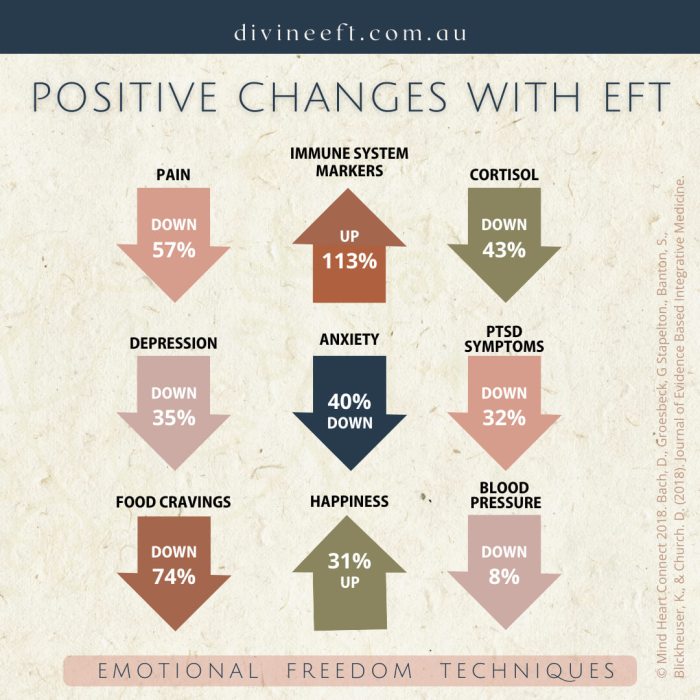
Studies have shown that individuals who practice EFT report reductions in symptoms of anxiety and depression, often experiencing a greater sense of control over their emotional states. This is particularly beneficial for those who may have previously felt powerless in the face of their trauma.
Integrating EFT into Mental Health Treatment Plans
Incorporating EFT into a mental health treatment plan can provide a holistic approach to healing. This integration can be seamless and enriching for both clients and therapists. Here are several effective methods to consider:
1. Initial Assessment
Therapists should conduct a thorough assessment of the client’s trauma history and current emotional state. Understanding the client’s triggers is essential to tailor EFT sessions effectively.
2. Collaborative Goal Setting
Establishing clear, achievable goals with the client can guide the EFT process. Goals may range from reducing anxiety symptoms to processing specific traumatic memories.
3. Regular EFT Sessions
Scheduling regular EFT sessions alongside traditional therapy can help clients practice emotional regulation techniques. These sessions can serve as a safe space to explore feelings while utilizing tapping.
4. Homework Assignments
Encourage clients to practice EFT techniques at home. This not only reinforces learning but also empowers clients to take charge of their emotional well-being.
5. Integration with Other Modalities
EFT can be used alongside cognitive-behavioral therapy (CBT) or mindfulness practices. This multi-faceted approach allows for a richer experience and can enhance the effectiveness of treatment.
“Tapping into your emotions can sometimes feel like a dance with your fears—awkward, but oh-so liberating!”
The benefits of using EFT alongside traditional therapeutic approaches for trauma are multi-fold. Firstly, EFT can accelerate the healing process by providing immediate emotional relief. Secondly, it allows clients to address physical sensations associated with trauma, as emotional pain often manifests physically. Lastly, EFT fosters self-empowerment, enabling clients to take an active role in their healing journey. When combined with traditional therapeutic tools, the results can be as refreshing as a cool breeze on a hot summer day—invigorating and transformative.
In summary, the connection between EFT and mental health is not just a passing trend; it’s an innovative approach that can lead to meaningful change. By integrating EFT into treatment plans, mental health professionals can offer clients a comprehensive toolkit for managing the challenges that stem from trauma, paving the way for a brighter tomorrow.
EFT and Related Health Conditions
Emotional Freedom Techniques (EFT) is not just a fancy tapping game; it’s like having a Swiss Army knife for emotional distress, particularly when intertwined with health conditions such as eating disorders and substance abuse. These conditions often have deep roots in emotional trauma, and EFT can provide that much-needed emotional band-aid, allowing individuals to process and heal without additional baggage.
Think of it as your emotional GPS, guiding you back to a healthier path.The relationship between EFT and various health conditions reveals how this technique can complement more traditional treatments. For instance, individuals grappling with eating disorders often rely on underlying emotional issues, and EFT can help address these by tapping into the emotional root causes. Similarly, those battling drug abuse might find that the emotional triggers can be alleviated through EFT, allowing for a more manageable recovery process.
By integrating EFT into the treatment plan, individuals can tackle the emotional debris, making room for more positive habits.
Comparison of EFT with Other Therapeutic Techniques
Understanding how EFT stacks up against other therapeutic techniques can help illuminate its unique benefits. Here’s a breakdown of how EFT compares with some common approaches:
| Technique | Overview | Strengths | Considerations |
|---|---|---|---|
| EFT | A psychological acupressure technique that combines tapping on specific points with cognitive reframing. | Quick results, easy to learn, and can be applied anywhere. | May require guidance for optimal results. |
| Cognitive Behavioral Therapy (CBT) | A structured approach that helps individuals identify and change negative thought patterns. | Proven effectiveness for a wide range of disorders. | Can be time-consuming and requires commitment. |
| Eye Movement Desensitization and Reprocessing (EMDR) | A therapy designed to alleviate distress associated with traumatic memories through guided eye movements. | Highly effective for trauma-related disorders. | Some may find the process uncomfortable. |
| Mindfulness-Based Stress Reduction (MBSR) | A structured program that teaches mindfulness meditation to reduce stress. | Improves overall mental well-being and awareness. | Requires consistent practice and patience. |
The above comparisons show that while EFT offers immediate emotional relief and ease of use, other methods may provide a more in-depth exploration of cognitive patterns. Ultimately, the best approach may vary from person to person, but EFT holds its ground as a supportive and effective option.
Impact of Trauma on Physical Health
Trauma doesn’t just hang out in the emotional playground; it can also crash the physical health party, leading to an array of health conditions like multiple sclerosis (MS) and chronic pain syndromes. When individuals experience trauma, their bodies can respond in ways that lead to inflammation and other physiological changes, making them more susceptible to various diseases. EFT can play a supportive role here by addressing the emotional factors that may contribute to physical symptoms.
By tapping away emotional baggage, individuals can experience reductions in stress and anxiety, which are known to exacerbate physical health conditions. For example, research has demonstrated that EFT can lower stress hormone levels, potentially contributing to improved immune function and overall health. This creates a win-win situation where emotional well-being supports physical health, paving the way for a more holistic approach to healing.
“The body keeps the score.” – Bessel van der Kolk
Incorporating EFT as part of a comprehensive treatment plan for those struggling with trauma-related health conditions can be a game-changer. With its unique blend of psychological and physical healing, EFT stands out as a remarkable tool in the arsenal against the long-lasting impacts of trauma.
Closure

As we pull into the station of this exploration, remember that EFT for trauma isn’t just a tool; it’s a whimsical buddy on your journey to emotional well-being. With the knowledge of how tapping can transform your relationship with trauma, you’re now equipped to embark on your own healing adventure. So, put on your adventure hat, grab your tapping fingers, and let the healing begin—because who says recovery can’t be a little quirky?
Common Queries
What is EFT for trauma?
EFT for trauma is a therapeutic technique that combines tapping on specific points on the body with verbal affirmations to release emotional blockages and alleviate trauma-related symptoms.
How does tapping help with trauma?
Tapping stimulates energy meridians, promoting relaxation and reducing anxiety while addressing the emotional distress associated with traumatic experiences.
Can anyone use EFT?
Absolutely! EFT is suitable for most people, whether you’re dealing with minor stress or significant trauma. However, consulting with a professional is always a great idea!
How long does it take to see results with EFT?
Results can vary, but many people report feeling relief and emotional shifts after just a few sessions, making it a quick option to consider.
Is EFT a replacement for therapy?
While EFT can complement traditional therapy, it’s generally recommended to use it as part of a holistic approach to mental health, not a complete substitute.


