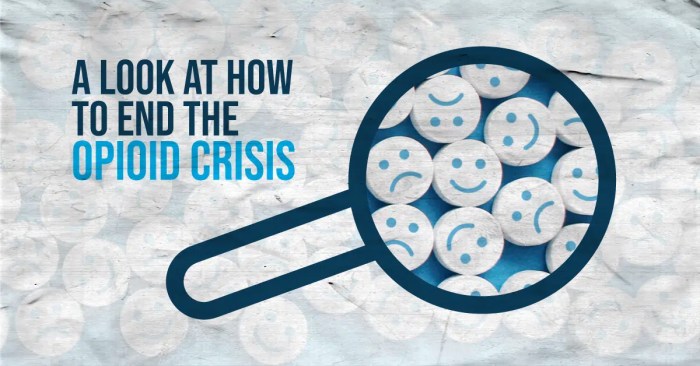
Opioid crisis – a phrase that sounds like a plot twist in a dramatic movie, but it’s a real-life saga that has affected millions across the United States! With roots digging deep into the historical soil of prescription practices, this crisis has blossomed into a full-blown epidemic that shakes families, communities, and health systems. Buckle up, because this tale is riddled with staggering statistics, gripping consequences, and a sprinkling of hope amidst the chaos!
From the alarming rise in overdose deaths to the unexpected link between opioid abuse and chronic illnesses like diabetes, the ramifications of this crisis extend beyond mere addiction. It’s a social puzzle where eating disorders, mental health struggles, and even the relationship with fitness equipment come into play. Let’s dive into the depths of this compelling topic that demands attention and action!
Opioid Crisis Overview
The opioid crisis in the United States is a tale of prescription pads, pain relief gone rogue, and the relentless quest for that blissful bliss. It’s a complex saga woven into the fabric of healthcare, addiction, and societal repercussions—where many have traded a pinch of pain relief for a truckload of turmoil. Buckle up, because we’re diving into the historical context, the prescription practices that paved the way for addiction, and some jaw-dropping statistics that underscore the gravity of this situation.Historical context reveals that the opioid crisis didn’t just spring up overnight like a bad hair day.
Its roots trace back to the late 1990s when pharmaceutical companies reassured the medical community that patients wouldn’t become addicted to prescription opioid pain relievers. Spoiler alert: they were wrong. With the floodgates open, doctors began prescribing opioids like they were candy at a Halloween party, leading to a surge in addiction that has spiraled out of control.
Impact of Prescription Practices on Opioid Addiction
The prescription practices that contributed to the opioid crisis played a starring role in this tragic drama. Not only were doctors overwhelmed by the belief that opioids were safe, but patients also began to expect such medications as the magic solution for every ache and pain. This misconception led to a perfect storm of over-prescription where pain relief turned into a prescription party that no one wanted to leave.To illustrate the gravity of prescription practices, here are some important points to consider:
- In 1999, healthcare providers wrote 76 million prescriptions for opioids, a number that skyrocketed to over 300 million by 2012 – that’s a lot of painkillers for a country that also boasts a fair amount of Tylenol and ibuprofen!
- More than 70% of individuals who abused prescription opioids reported getting them from friends or family, highlighting a critical cycle of sharing that turned the medicine cabinet into a mini-pharmacy.
- By 2019, around 10.1 million people in the U.S. misused prescription opioids, showcasing how accessibility has fed addiction rates.
“Prescription opioids are like the gateway drug of the 21st century.”
Statistics Related to Opioid Overdose Deaths and Addiction Rates
When it comes to the statistics surrounding opioid overdose deaths and addiction rates, the numbers are staggering and might just make you drop your jaw—if not your coffee. The effects of this crisis have not only ravaged families but have also left an indelible mark on communities across America.The most prominent statistics are as follows:
- In 2020, over 93,000 people died from drug overdoses in the U.S., with opioids involved in nearly 70% of those deaths—a grim reminder that these medications are not to be trifled with.
- Between 1999 and 2019, nearly 500,000 people died from overdoses involving any opioid, including prescription opioids and heroin, which could fill a large stadium with heartbreaking stories.
- The economic burden of the opioid crisis is estimated to be about $631 billion annually, factoring in healthcare costs, lost productivity, addiction treatment, and criminal justice involvement. That’s a staggering figure that could fund a lot of social programs – or a few extremely lavish parties!
“The cost of addiction is more than just dollars; it includes lives lost and futures shattered.”
Health Consequences of Opioid Abuse

Opioid abuse is not just a matter of feeling fuzzy and euphoric; it comes with an extensive menu of health consequences that might make even the most hardened drug enthusiast reconsider their choices. Among the many issues sprouting from this addiction, diabetes and various health disabilities are high on the list, alongside the potential acceleration of other serious diseases. Buckle up for a ride through the less glamorous side of opioid misuse.
Relationship Between Opioid Abuse and Diabetes
Opioid consumption has been linked to metabolic changes that can lead to diabetes, a condition where your body decides that regulating insulin is just too mainstream. Chronic opioid use can disrupt hormonal balance, leading to insulin resistance and ultimately, the dreaded type 2 diabetes.
- The connection grows stronger as opioids can increase appetite and cravings for sugary substances, creating a perfect storm for weight gain and metabolic dysfunction.
- Research indicates that opioid users often experience changes in how their bodies process glucose, making it challenging to maintain normal blood sugar levels.
“Chasing the dragon can lead to chasing insulin; it’s a slippery slope down the candy-coated path of diabetes.”
Connection Between Opioid Use and Health Disabilities
Opioid abuse doesn’t just mess with your high; it has the potential to become your personal health Grim Reaper, leading to significant disabilities that can derail your life faster than a runaway train. The effects can be wide-ranging and debilitating.
- Long-term opioid use can result in chronic pain due to the development of opioid-induced hyperalgesia, a condition where pain sensitivity increases.
- Neurological impairments can arise, affecting coordination, balance, and cognitive functions, essentially turning you into a modern-day Frankenstein.
- Withdrawal symptoms can lead to a cycle of relapse, keeping individuals in a state of constant struggle, which can have further physical and mental health repercussions.
Influence of Opioid Addiction on Disease Progression
Opioid addiction can act as a catalyst, speeding up the progression of various diseases, including Multiple Sclerosis (MS) and sexually transmitted diseases (STDs). The implications are as dire as they are complex.
- In the case of Multiple Sclerosis, studies suggest that opioid use can lead to increased disability progression, as the drugs can mask symptoms, delaying necessary treatment and lifestyle changes that could mitigate the disease’s impact.
- Opioid addiction can influence risky behaviors associated with STDs, as those under the influence may engage in unprotected sex, leading to a rise in infections.
- Both conditions share a common denominator: compromised immune function, making the body less capable of fighting off diseases while opioid abuse takes its toll.
“In the battle against disease, opioids may be the sneaky saboteur that undermines your defenses.”
Societal and Environmental Factors
The opioid crisis is not just an individual battle; it’s a communal calamity, affecting the fabric of society in ways that are as tangled as a pair of earbuds after a jog. The repercussions of drug abuse reach far beyond the realm of addiction, extending into societal health issues like eating disorders and mental health challenges. And as we swirl through this morass of misery, let’s not forget the environmental footprint left by opioid production and distribution, which is about as welcome as a wet sock in a shoe.
Impact on Societal Health Issues
The connection between opioid abuse and societal health is a complex web, with threads linking addiction to a variety of mental health challenges and eating disorders. For instance, individuals battling opioid addiction may find themselves at a crossroads with their mental health, as the substances can exacerbate conditions like depression and anxiety. This is where the “vicious cycle” comes into play—people may turn to opioids to self-medicate their mental health struggles, leading to a downward spiral that’s harder to escape than a cat in a bathtub.
Eating disorders also find a sly correlation with opioid use. The use of opioids can suppress appetite, leading some individuals to develop unhealthy relationships with food. This shift can create a dangerous dance of body image issues and nutritional neglect, making recovery an uphill battle. Here’s a quick peek at some societal health issues linked to opioid abuse:
- Increased prevalence of depression and anxiety disorders
- Heightened risk of eating disorders such as anorexia and bulimia
- Deterioration of community health due to rising addiction rates
Environmental Implications of Opioid Production
The environmental impact of opioid production and distribution is like the unwanted aftermath of a frat party—messy and harmful. The process involves chemicals and resources that can pollute water systems, degrade land, and ultimately affect ecosystems. Opioid farms and laboratories can produce more waste than a fast-food restaurant on a Friday night, leaching toxins into the environment and leading to dire consequences for local wildlife and communities.
Consider the following environmental implications of opioid production:
- Contamination of soil and water resources
- Destruction of natural habitats due to land use for poppy cultivation
- Increased carbon footprint from manufacturing and transportation
Comparison of Fitness Equipment Utilization
The journey to recovery from opioid addiction is often accompanied by a newfound appreciation for fitness, with individuals trading in their pills for dumbbells and yoga mats. This shift leads to a fascinating comparison of fitness equipment utilization among individuals in recovery. Studies have shown that engaging in physical activity can significantly improve mental health and reduce cravings, making fitness not just a trendy hashtag, but a lifeline.
Here’s a look at the types of fitness equipment often favored by those on the recovery path:
- Free weights: For building strength and self-esteem, one rep at a time
- Yoga mats: Offering a serene space for mindfulness and meditation
- Cycling machines: Perfect for those who want to pedal away their problems
- Resistance bands: Affordable, portable, and perfect for a full-body workout
In conclusion, the societal and environmental factors entwined with the opioid crisis paint a picture that’s as grim as a Monday morning. Yet, there’s hope in community support, increased awareness, and a collective push towards healing.
Final Conclusion
As we conclude this rollercoaster ride through the opioid crisis, it’s clear that this issue is more than just numbers and statistics; it’s about real lives and real struggles. While the battle against opioid addiction continues, awareness and understanding are the first steps toward recovery. Let’s keep the conversation going and push for solutions that not only heal individuals but also mend the fabric of our society.
Together, we can transform this crisis into a story of resilience and recovery!
Detailed FAQs
What are opioids?
Opioids are a class of drugs that include both prescription pain relievers like morphine and synthetic drugs like fentanyl, known for their pain-relieving properties but also for their high potential for addiction.
How did the opioid crisis start?
The crisis began in the late 1990s when pharmaceutical companies aggressively marketed opioids as safe for pain management, leading to widespread over-prescription and, eventually, rampant misuse.
Who is most affected by the opioid crisis?
The crisis affects a diverse group of people, but it disproportionately impacts those in rural areas and lower socioeconomic groups, often where access to healthcare and recovery resources is limited.
What are the signs of opioid addiction?
Signs include increased tolerance, withdrawal symptoms, neglecting responsibilities, and continued use despite negative consequences.
How can communities help combat the opioid crisis?
Communities can help by raising awareness, improving access to treatment, supporting recovery programs, and promoting safe prescription practices.


