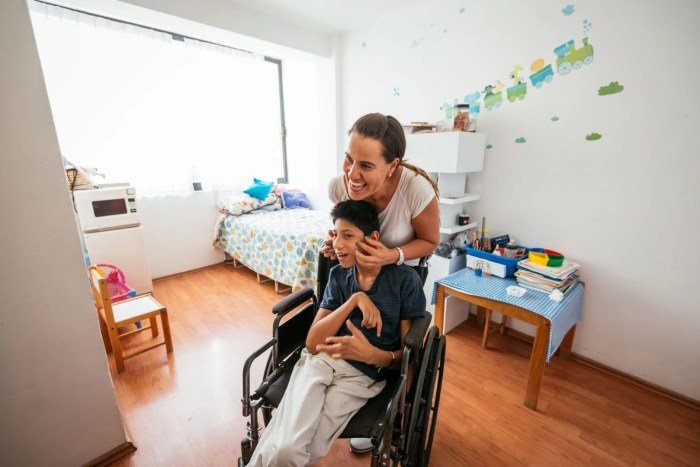
Welcome to the wonderfully whimsical world of Special needs care, where every day is an adventure filled with unique challenges and heartwarming victories! Here, we dive into a treasure trove of insights that highlight the significance of individualized care plans, because let’s face it—one size fits all is so last season. From physical to emotional needs, we’ll uncover what makes the realm of special needs care a vibrant tapestry of support and understanding.
In this exploration, we’ll shed light on the myriad types of disabilities, unveil the health considerations that keep our extraordinary friends thriving, and equip caregivers with strategies that not only support but also uplift! So grab your magnifying glass, because we’re about to zoom in on a topic that deserves our full attention.
Special Needs Care Overview

Special needs care is like the superhero cape that wraps around individuals with unique challenges, ensuring they soar through life with the support they deserve. It encompasses a broad spectrum of services and strategies designed to assist children and adults with various disabilities, helping them achieve their maximum potential. Whether it’s through specialized therapies, educational support, or daily living assistance, special needs care stands as a beacon of hope, illuminating paths for those who may face obstacles that others do not.Individualized care plans are crucial components of special needs care, tailored specifically to meet the distinct requirements of each person.
These plans resemble a finely crafted recipe; just as each dish requires specific ingredients for a delightful outcome, each individual has unique needs that must be met to ensure their well-being and success. Such personalized approaches not only enhance the quality of life for individuals with special needs but also foster independence, confidence, and overall happiness.
Types of Special Needs
Special needs can be categorized into various types, encompassing a diverse range of physical, intellectual, and emotional disabilities. Understanding these categories helps caregivers and professionals provide adequate support and resources. Here’s a breakdown of the main types:
- Physical Disabilities: These include challenges that affect mobility or physical functioning. For instance, individuals with cerebral palsy may require specialized wheelchairs or physical therapy to improve their mobility. Imagine a superhero in a wheelchair—every bit as strong and courageous, just needing a bit of extra support to navigate the world.
- Intellectual Disabilities: Conditions such as Down syndrome or autism spectrum disorder fall under this category. These individuals might need tailored educational strategies to thrive. Think of it as a custom puzzle; each piece is unique and crucial, but when assembled correctly, creates a beautiful picture of progress.
- Emotional Disabilities: These include challenges such as anxiety disorders or ADHD. Those with emotional disabilities may benefit from support systems like counseling or behavioral therapies. Consider it a safety net, catching them in moments of distress and helping them bounce back with resilience and strength.
Understanding these types allows caregivers to create a supportive environment where individuals can flourish despite the challenges they may face. As we dive deeper into the world of special needs care, remember, every journey is unique, and the right support can turn obstacles into stepping stones toward success.
Health Considerations in Special Needs Care
In the colorful tapestry of special needs care, health considerations weave a vital thread. Individuals with special needs often face unique health challenges that require tailored approaches. One particularly pressing issue is the management of diabetes, but that’s just the beginning of this health adventure. Buckle up as we navigate through the health hurdles and triumphs in special needs care!
Common Health Issues and Diabetes Management
Diabetes management in individuals with special needs is not just about counting carbs and insulin shots; it’s akin to performing a high-wire act without a net! Common health issues can include sensory processing disorders, obesity, and metabolic syndrome, which increase the complexity of diabetes management. Effective strategies include:
- Regular Monitoring: Keeping tabs on blood sugar levels can be as thrilling as a roller coaster ride—full of ups and downs. Continuous glucose monitors can provide real-time data, which is a game-changer!
- Customized Meal Plans: Nutrition isn’t a one-size-fits-all caper. A diet tailored to individual needs can help stabilize blood sugar while keeping taste buds happy!
- Physical Activity: Encouraging movement can be a fun challenge. Think dance parties, wheelchair races, or even a good old-fashioned game of tag—exercise doesn’t have to be boring!
“Managing diabetes is like a circus act; it requires balance, precision, and a lot of practice!”
Integrating Health Education into Special Needs Care
Integrating health education into special needs care is crucial for empowering individuals and their caregivers. Here’s how we can sprinkle a little health wisdom into the daily routine like confetti at a parade:
- Interactive Workshops: Hands-on learning can engage participants in understanding their health. Cooking classes focused on healthy meals that cater to dietary restrictions can be both educational and delicious!
- Visual Aids and Technology: Utilizing apps and visual charts can help individuals grasp their health needs better. Imagine a colorful chart that turns understanding diabetes into a game!
- Peer Support Groups: Sharing experiences and strategies can foster a sense of community. A support group can feel like a friendly chat over coffee—just with a side of diabetes management tips!
Nutrition and Dietary Considerations
Nutrition plays a pivotal role in managing health for individuals with special needs, especially those facing eating disorders. The goal is to cultivate a positive relationship with food while ensuring essential nutrients are consumed. Here’s how:
- Balanced Diet: A well-rounded diet rich in fruits, vegetables, proteins, and whole grains helps stabilize energy levels and mood. Think of it as building a superhero shield against health issues!
- Monitoring Food Intake: Keeping a food diary can unveil patterns and trigger foods. This knowledge can empower individuals to make healthier choices, like swapping chips for crunchy carrots!
- Addressing Eating Disorders: Professional guidance is essential when navigating the tricky waters of eating disorders. Support from dietitians specialized in special needs can help create a safe and supportive eating environment.
“Nutrition is not just about eating; it’s about learning to live fully, healthily, and happily!”
Support Strategies and Resources
In the vibrant tapestry of special needs care, support strategies and resources serve as the threads that hold it all together. Families caring for individuals with special needs often find themselves sailing uncharted waters, but fear not! There are resources and strategies that can help smooth out the waves and navigate this journey with confidence and maybe even a dash of humor.
Community Resources for Families
Tapping into community resources can significantly alleviate the stress of caregiving and enhance the quality of life for both caregivers and those they support. Local organizations often provide a treasure trove of assistance, making life a little easier and a lot more colorful. Consider the following resources:
- Local Support Groups: These are fantastic places for families to share experiences, trade tips, and even enjoy a good laugh. Think of it as a book club, but instead of discussing the latest bestseller, you’re swapping stories about IEPs and snack preferences.
- Respite Care Services: Sometimes, caregivers need a break. Respite care offers temporary relief, allowing caregivers to recharge their batteries while their loved ones are in safe hands. It’s like hitting the ‘pause’ button on a game to grab a snack!
- Nonprofits and Charities: Many organizations focus on supporting families with special needs. They might offer financial assistance, educational workshops, or social events that bring families together. Imagine a potluck but with more crayons and less awkward small talk.
- Educational Resources: Schools and community centers often provide workshops and training sessions focused on special needs care. This is a great way to keep learning and stay informed about the latest therapies and strategies out there.
Training Caregivers in Special Needs Environments
Training caregivers is not just about imparting knowledge; it’s about equipping them with the tools they need to tackle daily challenges with grace and perhaps a bit of flair. One innovative approach is the incorporation of Emotional Freedom Techniques (EFT), often known as tapping. This technique helps bring emotional balance and can be a game-changer during stressful times. Here’s a guide to get started:
- Basic EFT Techniques: Caregivers can learn to tap on specific meridian points while voicing their feelings or concerns. It’s like a soothing spa treatment for the mind, and you don’t even need a fancy robe!
- Practice Scenarios: Role-playing various caregiving situations can help caregivers prepare for the unexpected. Think of it like improv night, but instead of bad jokes, you’re honing your skills for real-life situations.
- Mindfulness Training: Incorporating mindfulness practices can enhance emotional resilience. A few minutes of deep breathing can do wonders, helping caregivers stay calm, cool, and collected when life gets chaotic.
Importance of Physical Exercise and Ergonomics
Physical exercise plays a pivotal role in enhancing the quality of life for individuals with special needs. It’s not just about pumping iron; it’s about promoting overall wellness and joy! Proper ergonomics in daily activities further ensures safety and comfort. Here are some considerations:
- Adaptive Fitness Programs: These programs are designed to cater to various abilities and can include everything from yoga to dancing. It’s all about finding the groove that fits you—like a personalized playlist for your body!
- Ergonomic Tools: From specially designed chairs to adapted sports equipment, using the right tools can make a world of difference. Imagine a specialized bike that’s less “Dukes of Hazzard” and more “Easy Rider.”
- Social Interaction through Exercise: Participating in group activities not only encourages physical health but also fosters friendships and community bonds. Who wouldn’t want to break a sweat while making new pals? It’s like a gym, but with a party atmosphere!
Concluding Remarks
And there you have it—a delightful jaunt through the enchanting landscape of Special needs care! We’ve celebrated the importance of customized care and the role of community resources in transforming lives. Whether it’s tackling diabetes management or rocking out to some fitness fun, the journey of caring for those with special needs is as rewarding as it is challenging. So let’s keep the laughter alive and the support strong, because in this world, every small victory is a grand celebration!
FAQ Guide
What is special needs care?
Special needs care refers to tailored support for individuals with disabilities, addressing their unique physical, emotional, and intellectual requirements.
Why are individualized care plans important?
Individualized care plans ensure that each person receives the specific support they need, maximizing their potential and enhancing their quality of life.
What common health issues do individuals with special needs face?
Common health issues include diabetes management, eating disorders, and various conditions related to their specific disabilities.
How can caregivers be trained effectively?
Caregivers can be trained through workshops, hands-on techniques, and resources that focus on emotional support and practical skills.
What role does nutrition play in special needs care?
Nutrition is crucial in managing health conditions and supporting overall well-being, as it impacts physical and mental health.


